HMO inspections play a much bigger role than ticking boxes on a council checklist. Councils in England carry out over 10,000 HMO safety inspections each year, and you might assume it is all about bureaucracy. The surprise is these checks do far more than keep paperwork in order. It is actual lives at stake, every inspection quietly working to make sure multi-occupancy homes are safe, legal, and genuinely fit for people to live in.
Table of Contents
- Understanding Hmo Inspections: Definition And Purpose
- The Importance Of Hmo Inspections For Safety And Compliance
- How Hmo Inspections Protect Tenants And Landlords
- Key Concepts Of Hmo Inspections: What You Need To Know
Quick Summary
| Takeaway | Explanation |
|---|---|
| HMO inspections are mandatory for certain properties | Properties rented by three or more individuals from different households must undergo HMO inspections to ensure compliance and safety. |
| Inspections safeguard tenant welfare and safety | These evaluations help identify health risks in shared living spaces, ensuring safe living conditions for tenants. |
| Landlords must comply with legal standards | Regular inspections maintain compliance with housing regulations, thus protecting landlords from legal issues and penalties. |
| Comprehensive assessments cover multiple safety aspects | Inspections include checks on electrical systems, fire safety, sanitation, and overall property condition. |
| Maintaining detailed records is crucial | Landlords should document property conditions, safety checks, and maintenance history to demonstrate compliance during inspections. |
Understanding HMO Inspections: Definition and Purpose
HMO inspections represent a critical regulatory mechanism designed to ensure the safety, quality, and compliance of Houses in Multiple Occupation (HMOs) across the United Kingdom. These systematic evaluations go beyond routine property assessments, serving as a comprehensive review of living conditions, safety standards, and tenant welfare.
What Are HMO Inspections?
An HMO inspection is a structured assessment conducted by local council representatives or licensed property management professionals to verify that rental properties meeting the HMO classification adhere to specific safety and habitability standards. According to UK Government Housing Regulations, these inspections are mandatory for properties rented by three or more individuals from different households who share common facilities.
Key characteristics of HMO inspections include:
- Comprehensive property condition evaluation
- Assessment of shared living spaces
- Verification of safety infrastructure
- Compliance with legal occupancy requirements
Why Are HMO Inspections Necessary?
The primary objective of HMO inspections is protecting tenant welfare and maintaining high standards in multi-occupancy properties. Local authorities use these inspections to identify potential health and safety risks, ensuring landlords fulfil their legal obligations. The Management of Houses in Multiple Occupation (England) Regulations 2006 mandate that property managers maintain safe, clean, and functional living environments.
Inspections serve multiple critical purposes:
- Preventing potential hazards in shared living spaces
- Ensuring compliance with building and safety regulations
- Protecting vulnerable tenants from substandard accommodation
- Maintaining overall property management standards
By conducting thorough HMO inspections, landlords demonstrate their commitment to responsible property management and tenant safety, ultimately contributing to improved housing conditions across the rental sector.
The Importance of HMO Inspections for Safety and Compliance
HMO inspections play a pivotal role in safeguarding tenant welfare, protecting property investments, and maintaining rigorous legal standards across multi-occupancy properties. These comprehensive evaluations are not merely bureaucratic exercises but critical interventions that directly impact housing quality and resident safety.
Legal and Regulatory Protection
Compliance with housing regulations represents the fundamental purpose of HMO inspections. According to Shelter England, local authorities have a statutory obligation to inspect residential premises and identify potential hazards. These inspections ensure landlords meet stringent legal requirements outlined in the Housing Health and Safety Rating System (HHSRS).
Key regulatory protection aspects include:
- Systematic verification of property safety standards
- Enforcement of minimum legal housing requirements
- Prevention of potential health and safety risks
- Accountability for property management practices
Risk Mitigation and Tenant Welfare
Beyond legal compliance, HMO inspections serve as a critical mechanism for identifying and mitigating potential risks in shared living environments. Shared facilities in multi-occupancy properties inherently present unique challenges that require meticulous assessment. Inspections help landlords proactively address potential issues before they escalate into significant problems.
Significant risk mitigation areas encompass:
- Electrical system safety checks
- Fire safety infrastructure evaluation
- Structural integrity assessments
- Hygiene and sanitation standards verification
Financial and Reputational Implications
Consistent HMO inspections offer substantial long-term benefits for property investors and managers. By maintaining high-quality standards, landlords protect their property investments, reduce potential liability risks, and enhance their professional reputation. Proactive compliance demonstrates commitment to responsible property management, potentially attracting higher-quality tenants and maintaining positive relationships with local housing authorities.
Successful HMO property management requires a comprehensive approach that prioritizes tenant safety, legal compliance, and continuous property maintenance. Regular inspections represent an essential strategy for achieving these critical objectives.
How HMO Inspections Protect Tenants and Landlords
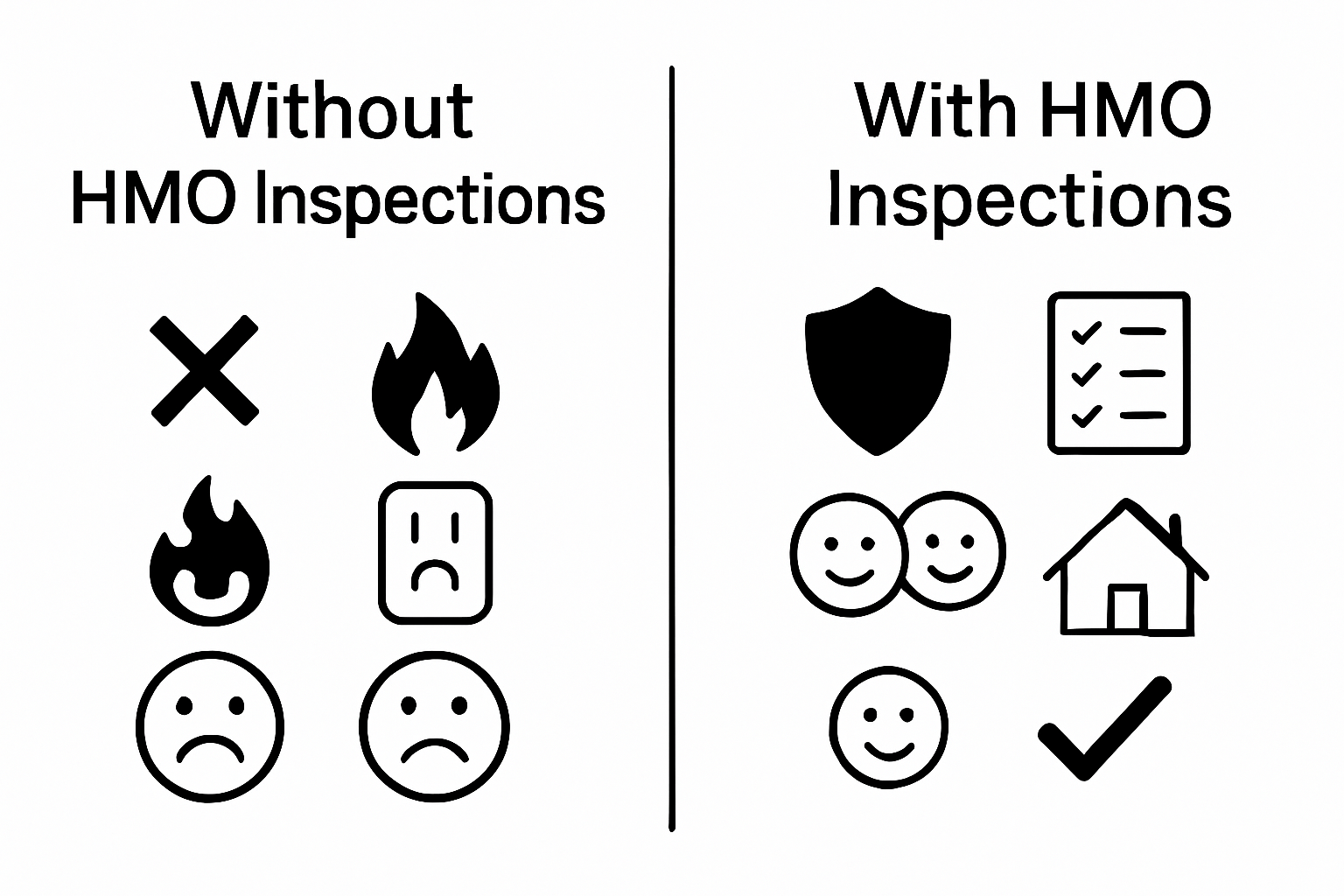
HMO inspections create a balanced ecosystem of protection, offering comprehensive safeguards for both tenants and property owners. These systematic evaluations serve as a critical mechanism for maintaining safety, legal compliance, and mutual trust within the rental property landscape.
Tenant Protection Mechanisms
For tenants, HMO inspections represent a crucial defence against substandard living conditions. According to the Homes (Fitness for Human Habitation) Act 2018, these inspections ensure properties meet fundamental safety and habitability standards.
Key tenant protection elements include:
- Verification of safe electrical and gas installations
- Assessment of structural integrity
- Evaluation of fire safety measures
- Confirmation of adequate sanitation facilities
Landlord Risk Mitigation
For property owners, HMO inspections provide a proactive approach to managing legal and financial risks. These assessments help landlords identify potential issues before they escalate into costly repairs or legal challenges. By demonstrating a commitment to property maintenance, landlords can protect their investments and maintain positive relationships with local housing authorities.
Critical risk mitigation strategies include:
- Preventing potential legal disputes
- Reducing liability exposure
- Maintaining property value
- Ensuring ongoing regulatory compliance
Mutual Benefits of Comprehensive Inspections
The inspection process creates a symbiotic relationship between tenants and landlords. By establishing clear standards and expectations, these evaluations promote transparency, safety, and responsible property management. Tenants receive assurance of living in a safe environment, while landlords benefit from professional validation of their property management practices.
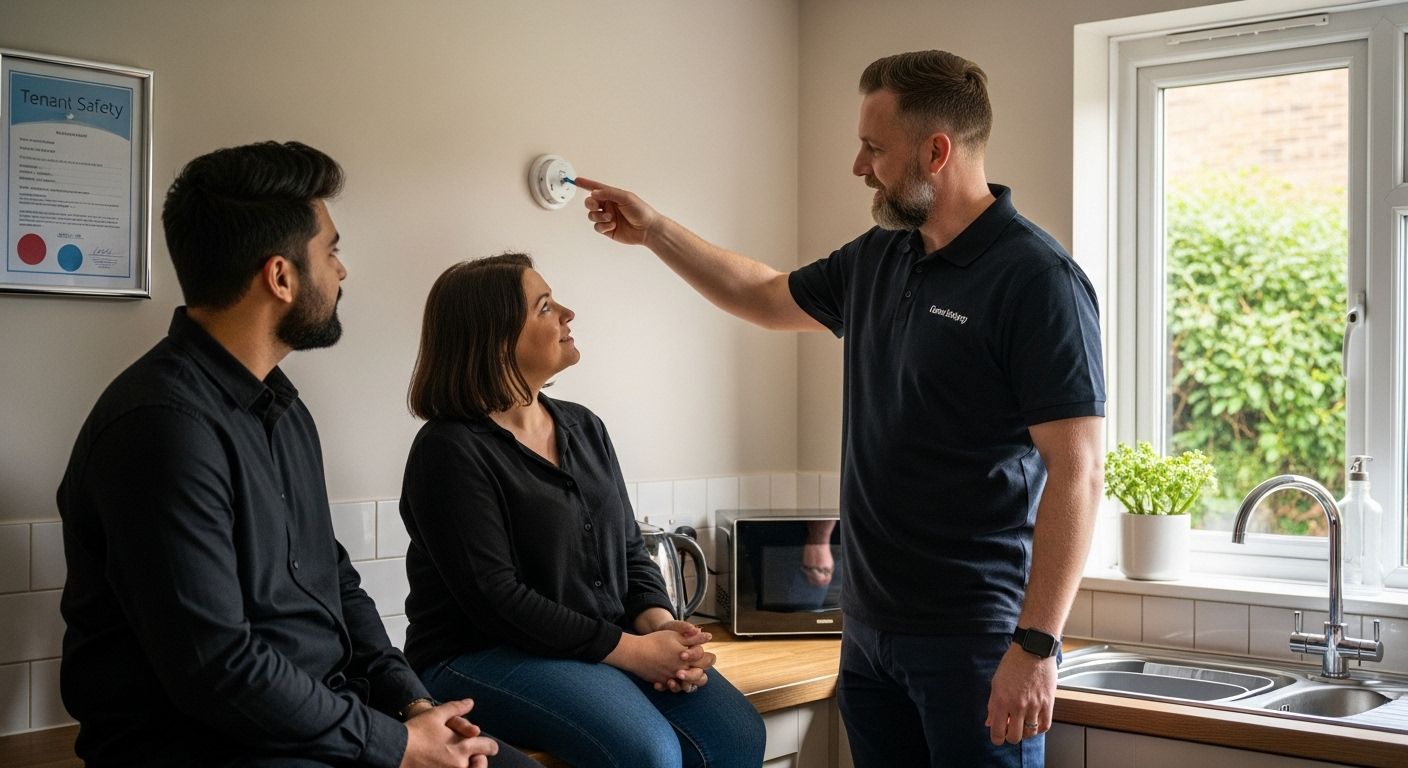
Ultimately, HMO inspections transcend mere regulatory compliance. They represent a fundamental approach to creating secure, well-maintained, and professionally managed multi-occupancy housing environments that protect the interests of all stakeholders involved.
The table below summarises key protection mechanisms from HMO inspections for both tenants and landlords, offering a clear comparison of their respective benefits.
| Stakeholder | Protective Mechanisms |
|---|---|
| Tenants | – Ensures safe electrical and gas installations |
- Verifies structural integrity
- Confirms adequate fire safety
- Secures proper sanitation facilities |
| Landlords | – Prevents legal disputes and liabilities - Maintains property value
- Reduces risk exposure
- Supports ongoing regulatory compliance |
| Mutual Value | – Creates transparency and trust - Validates responsible property management
- Promotes safer, well-managed living environments for all parties |
Key Concepts of HMO Inspections: What You Need to Know
HMO inspections are intricate processes encompassing multiple layers of assessment, regulatory compliance, and property management expertise. Understanding their fundamental concepts is crucial for landlords, tenants, and property managers navigating the complex landscape of multi-occupancy housing.
Defining Scope and Applicability
Not all properties require identical inspection protocols. According to UK Government Housing Regulations, HMO classifications depend on specific occupancy criteria that determine inspection requirements. Properties rented by three or more individuals from different households sharing common facilities fall under mandatory inspection guidelines.
Key factors determining inspection scope include:
- Number of occupants
- Shared living facility arrangements
- Property structural characteristics
- Tenant demographic composition
Comprehensive Assessment Frameworks
HMO inspections represent holistic evaluations that extend beyond surface-level property examinations. These systematic assessments investigate multiple dimensions of residential safety, functionality, and legal compliance. Inspectors meticulously examine electrical systems, structural integrity, fire safety infrastructure, and overall living environment conditions.
Critical assessment domains encompass:
- Electrical installation safety verification
- Structural condition evaluation
- Fire prevention and emergency preparedness
- Sanitation and hygiene standards
- Compliance with occupancy regulations
Regulatory Compliance and Documentation
Successful HMO inspections require comprehensive documentation and transparent record-keeping. Landlords must maintain detailed logs of property maintenance, safety checks, and regulatory compliance. These records serve as essential evidence demonstrating proactive property management and adherence to legal standards.
Documentation requirements typically involve:
- Detailed property condition reports
- Safety certification records
- Maintenance and repair history
- Tenant communication logs
Understanding these key concepts empowers property stakeholders to navigate HMO inspections confidently, ensuring safe, compliant, and well-maintained multi-occupancy living environments.
The following table organises the main domains assessed during an HMO inspection, providing clarity on each key focus area and its relevance to housing safety and compliance.
| Assessment Domain | Area of Focus | Purpose |
|---|---|---|
| Electrical Installation | Sockets, wiring, appliances | Prevents electrical hazards and ensures safe power distribution |
| Structural Condition | Walls, roofs, windows | Maintains integrity and habitability of the property |
| Fire Safety | Alarms, exits, fire doors | Protects lives and enables safe evacuation in emergencies |
| Sanitation & Hygiene | Kitchens, bathrooms, waste disposal | Minimises health risks from poor hygiene or inadequate facilities |
| Occupancy Regulation | Number of occupants, room sizes | Ensures compliance with licensing and maximum capacity laws |
Gain Total Confidence with Expert HMO Inspection Support
As a landlord, meeting strict HMO inspection criteria can feel overwhelming. Worrying about safety checks, documentation, and staying fully compliant with changing regulations is common. Your reputation and the welfare of your tenants depend on getting every detail right. If you want peace of mind about legal compliance and property safety, our platform provides the guidance and resources you need.
Join a community of proactive HMO landlords and access tailored solutions from the UK’s largest network of trusted property professionals. Use Agent HMO to find property managers who specialise in HMO compliance, connect with expert advisers, and explore practical tools for managing inspections without stress.
Do not let uncertainty put your investment or tenants at risk. Visit Agent HMO’s main platform to discover how you can achieve effortless compliance and property excellence today.
Frequently Asked Questions
What is the purpose of HMO inspections?
HMO inspections ensure that properties rented by multiple tenants meet safety and habitability standards, protecting tenant welfare and ensuring legal compliance for landlords.
Why are HMO inspections important for landlords?
HMO inspections help landlords maintain high standards in their properties, prevent legal disputes, reduce liability exposure, and ensure compliance with housing regulations.
How often should HMO inspections be conducted?
The frequency of HMO inspections may vary based on local regulations, but they are typically recommended annually or whenever there’s a significant change in tenant occupancy or property conditions.
What are the legal requirements for HMO inspections?
Landlords are legally required to ensure their properties comply with safety standards set by the Housing Health and Safety Rating System (HHSRS) and local housing regulations, which may include regular HMO inspections.